
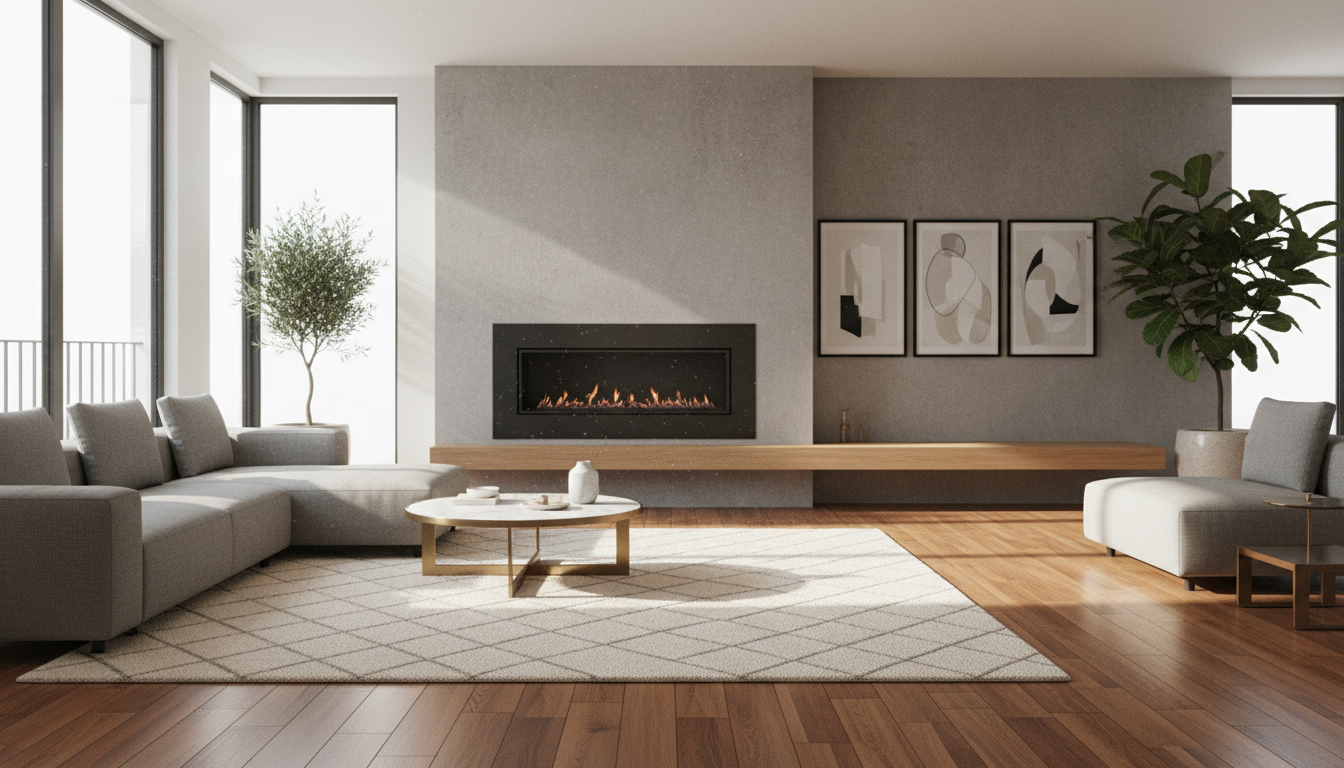
Welcome to your complete guide for adding warmth and value to your house. A fireplace installation is a major upgrade that brings comfort and character. It’s an exciting project, but it needs careful thought.
According to NFI Certified Master Hearth Professional Thomas Kearney, homeowners face many choices. The options include fuel type, design, and budget. Each decision affects the final cost and experience.
You can choose from gas, wood-burning, or electric units. There are also inserts for existing spaces. Prices range from a few hundred dollars to over $25,000 for custom builds.
This guide will walk you through every step. We cover planning, selecting the right type, and working with experts. Our goal is to make your home improvement journey smooth and successful.
Working with certified pros like NFI experts is crucial. They ensure a safe, code-compliant setup. This guide will help you understand the key decisions for your perfect gas fireplace or other style.
Introduction to Fireplace Installation
A well-planned hearth addition brings immediate comfort while boosting your property’s appeal. This upgrade represents a significant investment in your home’s functionality and resale potential.
Modern heating technology has evolved dramatically. Homeowners now enjoy unprecedented control over flame appearance and heat output. Energy efficiency has improved significantly with these advancements.
Understanding the difference between new constructions and upgrades is crucial. Blank wall installations require different approaches than inserts for existing masonry. This distinction affects your entire project scope.
The lifestyle benefits extend beyond aesthetics. Zone heating capability lets you warm specific rooms rather than the entire house. This creates cozy gathering spots for family evenings.
Proper planning involves coordinating multiple specialists. You may need gas professionals, electricians, and sometimes masons. Assessing your home’s structure and local codes is essential.
Understanding the process upfront helps set realistic budgets and timelines. This knowledge ensures your home improvement journey meets expectations.
New Fireplace Installation: Step-by-Step Process
The journey from selecting your ideal heating feature to enjoying its warmth involves several important stages. Understanding this progression helps homeowners manage expectations and coordinate effectively with professionals.
Planning Your Installation
Begin your project by visiting showrooms to see working displays firsthand. This hands-on approach lets you touch materials and discuss technical details with experts. Their guidance proves invaluable for making informed decisions.
The in-home estimate represents a critical planning step. Professionals assess your specific space, measure openings, and check utility access. They identify any structural modifications needed before the actual work begins.
Preparing your area saves both time and money during the execution phase. Clear furniture, protect floors, and ensure clear access paths for installers. Proper preparation creates an efficient working environment.
Executing the Installation Phase
Different trades often complete their work on separate days. Gas plumbers run lines while electricians install necessary circuits. The final unit placement happens after these preliminary steps.
Installation day involves unpacking, positioning, and securing the heating feature. Technicians connect utilities and install venting systems before completing finishing touches. Each step follows precise safety protocols.
Testing and demonstration ensure proper operation before project completion. Installers verify functionality, check for leaks, and teach homeowners how to operate their new feature. This final step guarantees satisfaction with the finished work.
Comparing Fireplace Types: Gas, Wood, and Electric
Choosing the right hearth centerpiece involves balancing aesthetics, functionality, and budget. Each fuel type offers a distinct experience.
Let’s explore the three main options to help you find your perfect match.
Gas Fireplaces: Design and Efficiency Considerations
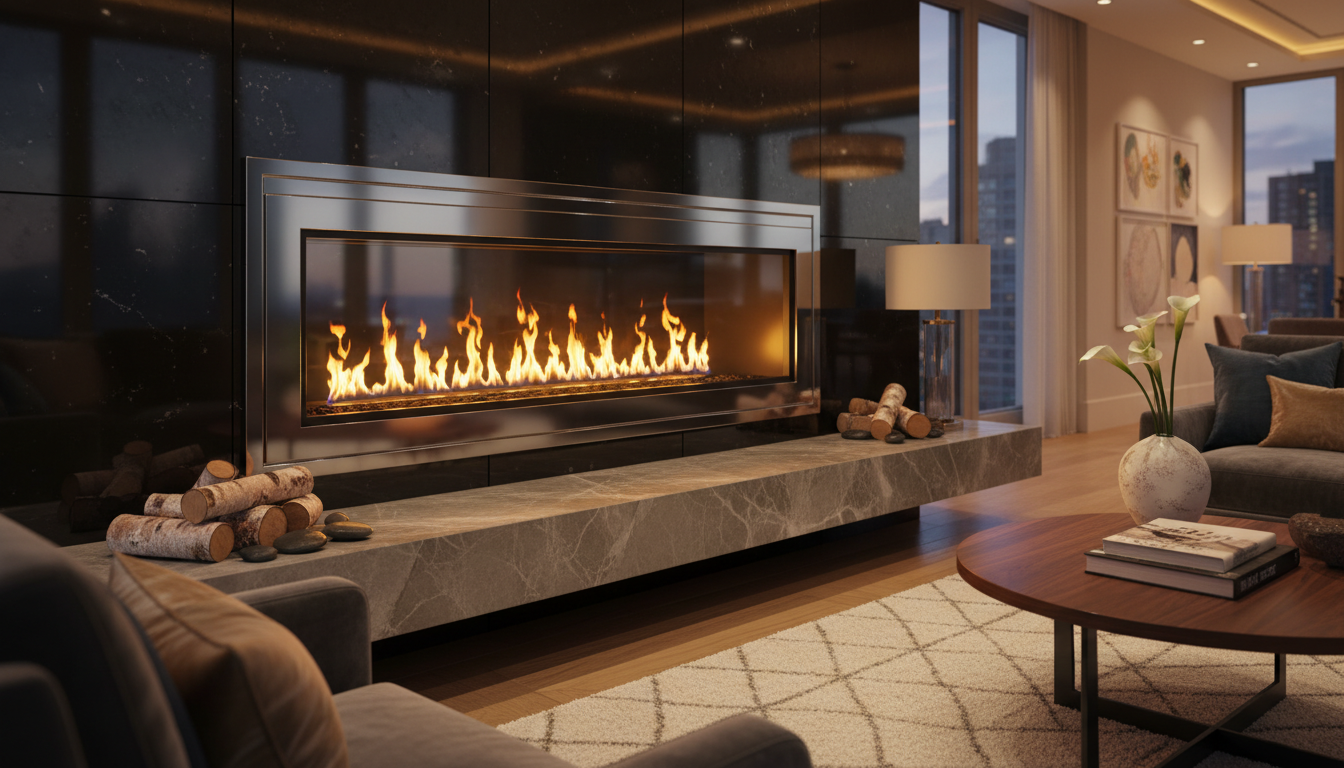
A gas fireplace provides instant warmth and ambiance. You get realistic flames with the flip of a switch.
These units are highly efficient. Direct Vent models are a popular, safe choice. They pull air from outside for combustion.
Ventless options offer even more placement flexibility. You can choose from realistic log sets or modern glass media for the firebox.
The Stove Shop notes this is often a long-term investment for your home.
Wood-Burning Fireplaces: Traditional Ambiance and Construction
Nothing matches the classic appeal of a wood-burning unit. You enjoy the authentic crackling sounds and smoky aroma.
Building a real fire is a cherished ritual for many. However, this option requires significant construction.
A full masonry or factory-built chimney system is essential. Proper hearth construction and strict adherence to local codes are mandatory.
Electric Fireplaces: Simplicity and Modern Appeal
Electric models are the simplest to add to any room. They require no venting, gas lines, or complex construction.
This plug-and-play approach makes them ideal for apartments. Modern technology creates surprisingly realistic LED flames.
You can often run the visual flames without heat for summer ambiance. This feature provides year-round enjoyment.
Maintenance is also a key differentiator. Gas units need annual check-ups. Wood requires regular chimney cleaning. Electric options need virtually no upkeep.
Understanding Installation Costs and Budgeting
Understanding the financial investment required helps homeowners make informed decisions about their ideal heating solution. The total fireplace installation cost involves more than just the heating unit itself.
Labor, venting systems, and utility connections significantly impact your final budget. Each component adds to the overall installation cost.
Factors Influencing the Total Cost
Several elements affect your project’s price tag. The type of heating feature you choose is the primary factor.
Venting requirements and structural modifications also contribute. Gas line extensions and electrical work add to expenses.
Finishing materials like custom stone or tile can dramatically increase costs. Basic surrounds keep budgets manageable.
Average Cost Ranges by Fireplace Type
According to industry data, gas fireplace projects typically range from $7,200 to $16,200. Insert installations average around $6,400.
Wood-burning options cost $10,000 to $25,000+. Electric models offer affordability at $500 to $9,000+.
Always budget for hidden expenses like permits and inspections. Setting aside 10-15% for unexpected issues is wise.
Getting multiple quotes helps ensure fair pricing. Understand exactly what’s included in each contractor’s estimate.
Selecting the Optimal Fuel Source for Your Home
Your choice of fuel source significantly impacts both your upfront investment and long-term heating expenses. This decision affects everything from installation complexity to your monthly utility bills.
According to The Stove Shop, you need access to either natural gas or propane for a gas unit. Natural gas offers the lowest operating costs and unlimited supply through municipal lines.
Natural Gas vs. Propane: What You Need to Know
Check if natural gas is available at your address by contacting local providers. This fuel source provides consistent pressure and requires no tank refills.
For homes without natural gas access, propane becomes the alternative. You’ll need a minimum 250-gallon tank, which can be above-ground or buried.
Running a new gas line costs $600-$2,000 on average. Distance and obstacles like finished basements increase complexity. Licensed professionals must calculate proper line sizing for all appliances.
Propane units consume about 1 gallon every 2.2 hours. Schedule regular refills during heating season to avoid running out. Proper tank sizing ensures uninterrupted warmth throughout winter.
Essential Installation Requirements and Permits
Before the first brick is laid or gas line connected, proper documentation sets the foundation for success. Permits and inspections might seem like bureaucratic hurdles, but they’re essential safety measures.
These requirements ensure your heating feature meets professional standards and legal requirements from day one.
Local Building Codes and Permit Needs
Most heating projects require official approval. Gas and wood-burning systems almost always need permits. Electric units typically only require permits if adding new circuits.
The application process involves submitting plans and paying fees ranging from $100 to $500. Local codes cover clearances to combustibles, proper venting, and structural support.
These regulations vary by jurisdiction but share common safety goals. Working with licensed contractors who understand local requirements reduces stress.
Inspection and Code Compliance Essentials
Officials verify proper setup during scheduled inspections. They check gas connections for leaks and ensure adequate venting systems.
Code-compliant clearances receive careful attention. Skipping this step can lead to serious consequences.
Unpermitted work may cause insurance claim denials or difficulty selling your home. Reputable installers make sure all requirements get properly completed.
This protects your investment and ensures safe operation for years to come.
Safety Measures and Ventilation Considerations
Protecting your family and home should be the top priority when adding any heating feature. Proper ventilation systems remove harmful combustion byproducts and prevent carbon monoxide buildup.
Chimney, Vent, and Direct Vent Options
Direct vent technology uses a sealed combustion system. It draws fresh air from outside and exhausts gases outside. This never affects your indoor air quality.
Ventless models burn so cleanly they require no external vent. However, they have usage limitations and aren’t permitted everywhere.
Traditional wood-burning units need a full chimney system. This requires proper height, adequate draft, and regular professional cleaning. A quality chimney cap prevents animal entry and contains sparks.
Fireplace Safety Tips for Homeowners
Maintain proper clearances between your heating feature and combustible materials. These distances vary by model and affect walls, mantels, and furniture.
Essential safety features include tempered glass doors and automatic shut-off systems. Ventless units should have oxygen depletion sensors.
Install carbon monoxide detectors near sleeping areas. Keep flammable materials away from the firebox. Never leave active flames unattended.
Schedule annual professional inspections for your gas fireplace. This ensures all components function correctly and maintains your family’s safety.
Maximizing Energy Efficiency and Home Value
Smart heating choices can significantly reduce energy bills while increasing your home’s market appeal. The concept of zone heating lets you warm only the rooms you actually use rather than the entire house.
Different heating options offer varying levels of efficiency. Electric models convert nearly 100% of energy into usable heat. Gas units achieve 70-85% efficiency with more realistic flames. Traditional wood-burning types lose much heat through the chimney.
Modern gas heating systems use sealed combustion and efficient heat exchangers. This maximizes warmth delivery while minimizing fuel consumption. Features like variable flame control and programmable thermostats enhance performance.
This investment adds substantial value to any property. Buyers often appreciate the comfort and charm these features provide. The return on investment makes this upgrade financially smart for homeowners.
For maximum efficiency, consider these strategies:
- Lower your main thermostat and rely on zone heating in living areas
- Choose natural gas for the lowest operating costs when available
- Select properly sized units for your space requirements
- Place your heating feature in the most frequently used room
This approach provides cozy warmth while reducing overall energy expenses. It’s an excellent way to enhance both comfort and property value.
Modern Fireplace Features and Technological Upgrades
The latest generation of heating units transforms how we interact with and control our living spaces. Today’s models offer smart home integration and unprecedented customization.
Smart Controls and LED Flame Technology
Modern gas fireplace systems now connect to WiFi for remote operation. You can adjust settings using smartphone apps or voice commands through Alexa or Google.
Programmable schedules warm your space before you arrive home. LED technology creates remarkably realistic flame effects in electric and some gas units.
Custom Finishing Touches and Design Enhancements
Accent lighting lets you change ember bed colors to match room décor. Choose from traditional ceramic logs or contemporary fire glass for personalized appeal.
Remote controls and wall switches provide convenient operation. Specialty designs include see-through models connecting rooms and corner units maximizing space efficiency.
Preparing Your Home and Managing the Installation Timeline
Proper preparation before the installers arrive sets the stage for an efficient and stress-free experience. Understanding the typical timeline helps you plan around the work schedule.
According to Woodland Direct, electric units often complete in hours. Gas models typically take 1-3 days. Wood-burning options may require weeks due to chimney construction needs.
Pre-Installation Checklist and Site Preparation
Clear furniture and décor from the work area. Protect floors with drop cloths. Ensure clear pathways for equipment access.
Designate a staging area for materials. This preparation saves time and money during the actual installation.
Fall and winter bring high demand for quality teams. Schedule your project during slower seasons if possible. Coordinate with gas fitters and electricians before the main installation date.
Be patient if unexpected issues arise. Concealed wiring or structural surprises can affect timelines. The final walkthrough ensures you understand operation and maintenance.
This demonstration completes your home improvement journey successfully.
Conclusion
Adding a beautiful heating feature to your home is an investment that pays back in comfort and value for years. As Thomas Kearney, NFI Certified Master Hearth Professional, notes, success comes from understanding all factors involved.
Whether you prefer the convenience of a gas fireplace, the tradition of a wood stove, or the simplicity of an electric model, each offers unique rewards. Professional guidance from certified experts like those at NFI or Badgerland Fireplace is crucial for a safe, code-compliant setup.
Costs vary widely, from affordable electric units to premium custom builds. A fireplace insert can efficiently upgrade an existing space, while a new gas log set creates a stunning focal point.
This upgrade enhances your home’s appeal and can provide energy savings through zone heating. With careful planning and skilled professionals, your project will deliver a feature your family cherishes.
Ready to begin? Visit a showroom to see options firsthand and take the first step toward transforming your living space.

0 Comments