
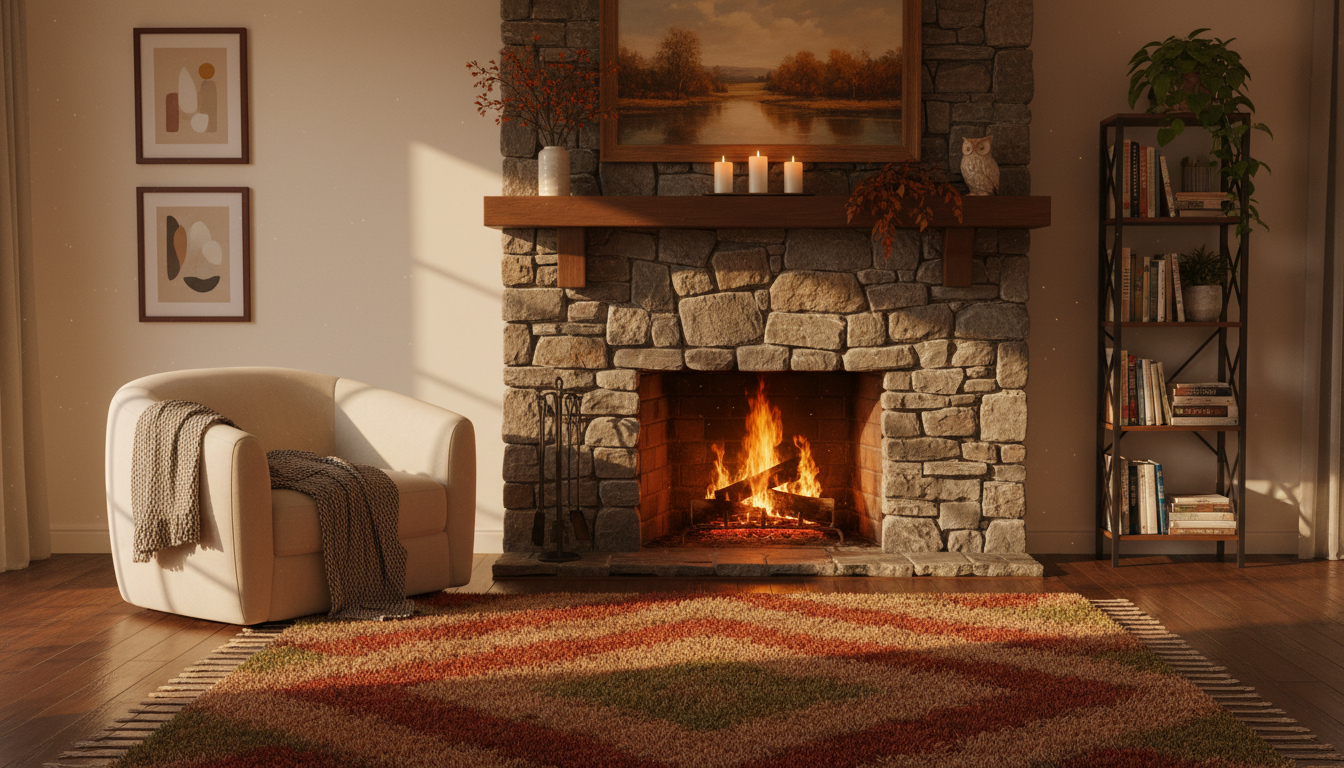
Welcome! Are you dreaming of a warm, inviting living area? Adding a beautiful focal point can completely change the feel of your house. This guide is your friendly companion for that exciting project.
Maybe your house has never had a hearth, or perhaps your current one needs an upgrade. We will walk you through the entire process. Our advice is clear and easy to understand, making everything feel manageable.
Modern units offer so much more than just heat. They create a natural gathering spot for family and friends. This addition also boosts your property’s overall charm and market value.
While the project might seem big, don’t worry. With good planning and the right help, it becomes a rewarding journey. You will create a source of comfort for many years to come.
In this guide, you will learn about planning, exploring different styles, and important safety steps. Our goal is to help you maximize the enjoyment and efficiency of your new centerpiece.
Planning Your Fireplace Project
A successful project starts with a solid plan. This phase is all about understanding your home’s specific heating needs and setting a clear vision for your budget and design. Taking this time upfront saves money and stress later.
Assessing Your Home’s Heating Needs
First, think about why you want this addition. Do you need extra warmth for a large room? Or is the goal a cozy spot for family gatherings? Your answers shape the entire project.
Consider your current heating system. Many homeowners use a new unit for zone heating. This can lower energy bills by warming only the spaces you use.
Budgeting and Establishing Your Design Vision
Be realistic about your investment from the start. Quality work is not cheap, but it pays off for years. Industry data shows that a good gas unit starts around $6,000.
Full upgrade projects often range from $7,200 to $16,200. Remember to include costs for a new gas line, which can be $600 to $2,000. This prevents budget surprises.
Finally, explore your design ideas. Look at showrooms and magazines. Think about how the style will fit your home’s look. Your vision will guide every other decision.
Exploring Fireplace Options and Styles
Let’s dive into the different models available and what makes each one special. Your choice will shape the look, feel, and function of your space.
You have three main type options to consider. Each offers a unique blend of ambiance and practicality.
Comparing Gas, Wood-Burning, and Electric Models
Understanding the core differences helps you find the perfect fit. Here’s a quick look at the primary choices.
- Wood-Burning: This option delivers classic charm. You get the authentic scent and sound of a real fire. It requires a chimney and more hands-on care.
- Gas Models: These units offer modern convenience. Push a button for instant, consistent warmth. They are highly efficient and need no wood storage.
- Electric Units: These are the simplest options. They plug into a standard outlet and need no venting. This makes them great for apartments or quick room updates.
It’s also crucial to know about gas inserts. A new gas unit is for a standard wall. An insert is designed to fit into an existing brick opening.
Evaluating Aesthetic and Functional Considerations
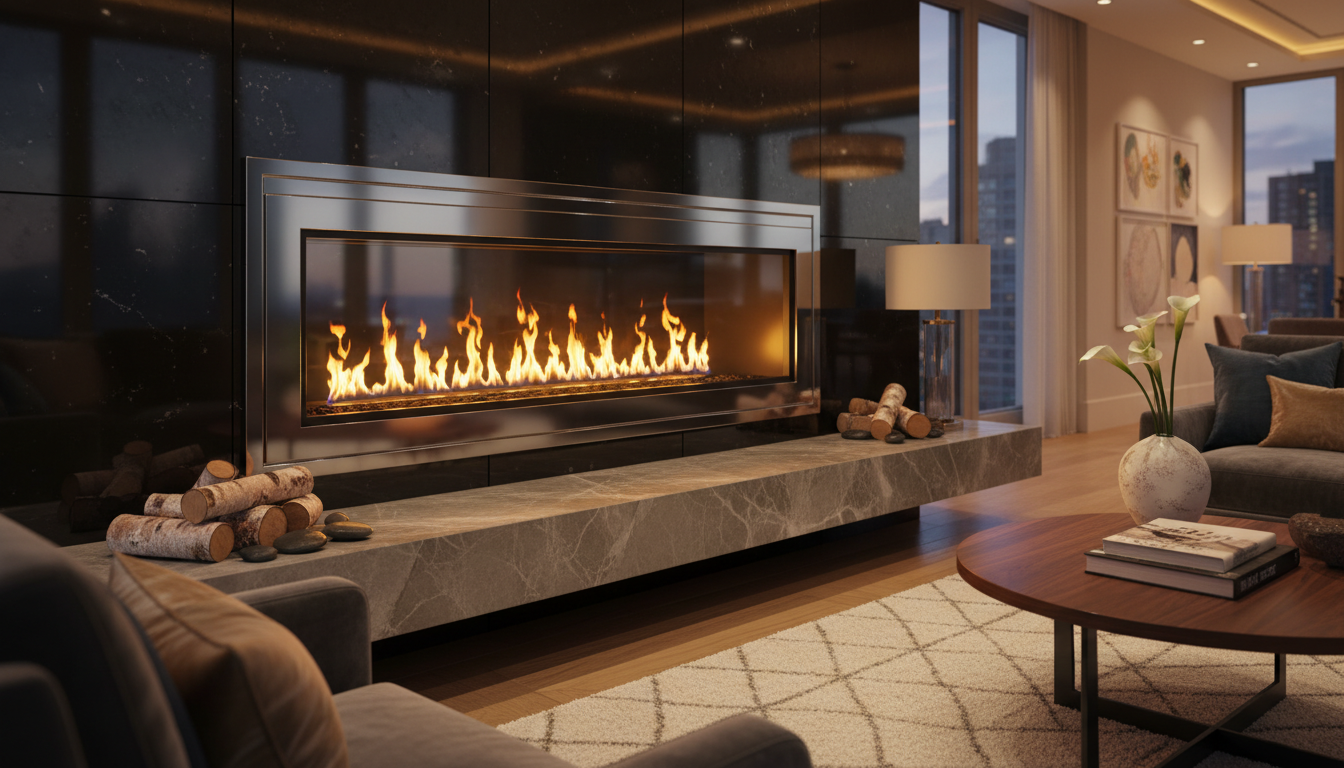
Think about how the style will complement your home’s architecture. A stone surround suits a traditional look. A sleek, linear gas or electric model fits a contemporary space.
Function is just as important. Wood provides ambiance that works during a power outage. Gas offers reliable zone heating. Electric models give you zero emissions inside your home.
Visit a showroom to see units in action. This helps you experience the flame appearance and heat output firsthand.
Fireplace Installation: Key Steps for Success
Professional expertise becomes invaluable when moving from design concepts to actual construction work. This phase transforms your vision into a safe, functional reality that enhances your living space.
Partnering with Professional Installers and Suppliers
Choosing the right team makes all the difference. Licensed experts bring essential knowledge about venting systems and local requirements. They ensure your project meets all safety standards.
These professionals handle complex work like gas line connections and chimney modifications. Their experience with various products helps you select the perfect unit for your home.
Designing, Scheduling, and Implementing Installation
The process typically begins with a showroom visit to see gas fireplace options. Your team will then create detailed plans showing placement and venting routes.
Proper scheduling saves time and reduces disruptions. Most gas units require less than one day for final installation. However, the entire process may span several weeks.
Prepare your home by clearing an eight-foot area around the work zone. Ensure easy access from entry points to the installation location. This preparation helps the experts work efficiently.
“Quality installation ensures years of safe, enjoyable use while protecting your investment.”
Remember that fall and winter are peak seasons for this work. Planning ahead ensures you can enjoy your new heating feature when you need it most.
Navigating Local Codes and Safety Requirements
Before the first brick is laid or the gas line is connected, there’s a crucial step that protects your home and family. Understanding local building codes is not just red tape; it’s your first line of defense.
Understanding Building Codes and Permit Essentials
These codes exist for your safety. They govern everything from how far a unit must be from walls to proper venting systems. This prevents fire hazards and ensures harmful gases like carbon monoxide are safely expelled from your home.
Permit needs differ by town. Some areas require one for any new gas fireplace, while others have specific rules. This is where professional help is invaluable. Experienced teams know the local codes and handle the permit paperwork for you.
They coordinate inspections to ensure the installation passes all reviews. For homes with an existing chimney, special liners might be needed. Proper clearances around the opening are also critical for safety.
Choosing a code-compliant setup protects your investment. It also maintains your home’s insurability. Future buyers expect all heating systems, including fireplaces, to meet current standards.
Ask your installer to explain the specific safety features for your project. They can show you how the venting works and what clearances are maintained. This knowledge gives homeowners peace of mind for years to come.
Enhancing Efficiency and Value in Your Home
Getting the most from your new heating feature involves smart choices about efficiency and design. This final planning stage ensures your investment delivers both immediate comfort and lasting benefits.
Researching Products and Investment Considerations
Thorough research pays off when selecting heating products. Compare different models and brands to find the best combination of performance and value.
While the initial investment might seem significant, most homeowners save money over time. Zone heating in frequently used spaces reduces overall heating costs.
Maximizing Energy Efficiency and Comfort
High-efficiency units convert more fuel into usable warmth. This directly impacts your comfort and energy bills.
Consider these factors for optimal performance:
- Match unit size to your room dimensions
- Select models with variable heat settings
- Choose energy-efficient inserts for existing openings
Proper sizing prevents energy waste. An oversized unit heats beyond your needs, while undersized models won’t deliver adequate warmth.
Incorporating Style for Increased Home Value
Your heating feature should complement your home’s architecture. The right style enhances your space’s appeal and can boost resale value.
Quality products from reputable manufacturers offer better performance and require less maintenance. This protects your investment for years of reliable warmth.
Thoughtful design creates an inviting gathering space that adds character to your home. The benefits extend far beyond basic heating needs.
Conclusion
Your journey toward a cozier, more inviting home environment culminates with this rewarding addition. A well-planned heating feature transforms your space into a natural gathering spot for family and friends.
Whether adding a new unit or upgrading an existing one, professional guidance makes the process smooth. Working with experienced experts ensures your project meets safety standards while delivering beautiful results.
The investment pays dividends through years of reliable warmth and increased property value. Different types of units offer unique benefits to match various lifestyles and heating needs.
Now is the perfect time to begin planning your transformation. Reach out to qualified professionals to discuss your vision and take the first step toward creating your ideal living space.

0 Comments