
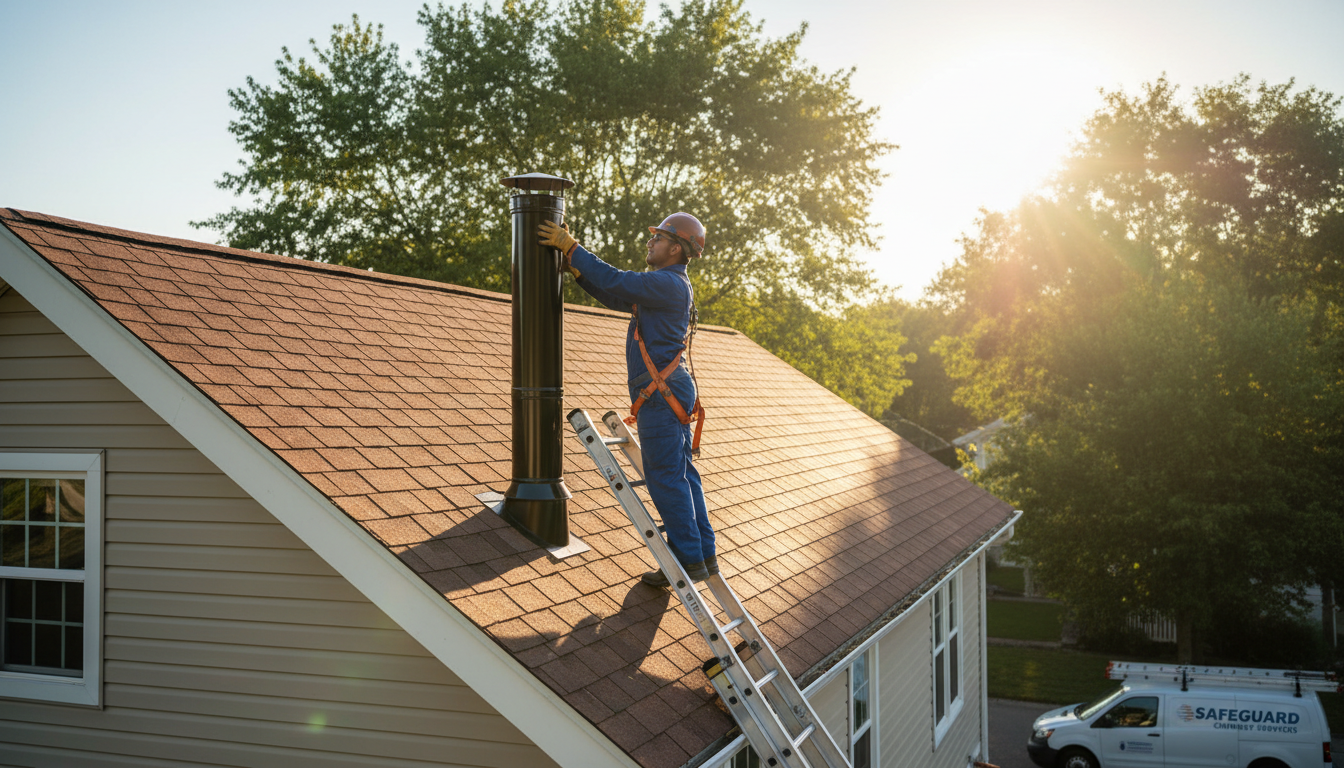
Welcome to your complete guide on getting a chimney system set up properly. A well-built chimney is essential for any home with a fireplace or wood-burning appliance. It creates a safe path for smoke and gases to leave your living space.
Whether you’re adding a cozy wood stove or a traditional fireplace, proper setup matters greatly. The right installation protects your family from harmful fumes while maximizing heating efficiency. You’ll enjoy the warmth and atmosphere of real flames without safety concerns.
This friendly guide breaks down the entire process into easy steps. We’ll cover everything from essential components to important safety codes. Our straightforward language makes what seems complex actually quite manageable.
By the end, you’ll feel confident tackling this project yourself or working effectively with professionals. The goal is a system that serves your home safely for years to come. Let’s begin this journey toward better home comfort and protection.
Chimney Installation Essentials
A well-functioning chimney relies on several key pieces working together in harmony. Getting to know these essential parts will help you understand how the entire system operates safely and efficiently.
Overview of the Process
The setup involves connecting your heating appliance to the exterior through a carefully designed pathway. Each section of pipe must fit securely with proper clearances from combustible materials.
Professional installers follow specific steps to ensure everything aligns correctly. They measure carefully and test each connection point. This attention to detail prevents future issues.
Key Components and Terminology
Your chimney system includes several vital parts. The flue liner protects the interior walls from heat damage. Different liner types offer various benefits for your specific setup.
The damper controls airflow when your fireplace is not in use. Closing it properly saves energy. The chimney cap prevents debris and animals from entering while allowing gases to escape safely.
Understanding these components helps you communicate effectively with professionals. It also ensures you choose the right materials for your home’s needs.
Preparing Your Home for a Chimney Installation
Getting your home ready for a new heating appliance starts with smart planning. The right preparation ensures your wood burning stove operates safely and efficiently for years. This phase focuses on creating a secure foundation before any construction begins.
Selecting the Stove Location
Choosing the perfect spot for your stove involves several key factors. Consider the room size you want to heat and how the venting system will route through your ceiling. Most importantly, you must follow the manufacturer’s specified clearance requirements.
These clearances indicate the safe distance needed between your stove and any combustible materials. Proper spacing prevents heat damage and reduces fire risks. Take measurements carefully to ensure your chosen location meets all safety standards.
Non-Combustible Floor Pads and Wall Protection
Floor protection is essential for any wood burning unit. There are two main types: Type 1 provides ember protection, while Type 2 offers thermal protection. Most stoves require Type 2 protection when placed on combustible flooring.
According to safety standards, your floor pad should extend at least 16 inches in front and 8 inches to each side. For walls, special heat shields can reduce clearance requirements significantly. Using spacers to create an air gap can cut needed distances by up to 66 percent.
Proper preparation with the correct size protections ensures your system meets building codes. These measures protect your home from potential hazards and are crucial for passing inspections.
Cutting and Venting: Creating Proper Pathways
Creating precise pathways for your venting system requires careful planning and execution. This step ensures smoke and gases exit your home safely while maintaining proper clearances from combustible materials.
Begin by positioning your stove in its final location. Use a laser level or plumb bob to transfer the exact center point from the stove’s exhaust collar to the ceiling above. This alignment is crucial for a straight pipe run.
Measuring and Marking for Ceiling and Roof Openings
Consult your chimney pipe manufacturer’s instructions for the required hole size. Different systems need specific clearances around the pipe. Always measure twice before cutting.
For multi-story homes, maintain alignment at each level using your level tool. The pipe must run straight through all floors to the roof. Proper alignment prevents installation issues later.
When working near insulation, pull it back from the pipe pathway. Insulation can contact support boxes but never the actual chimney pipe. This prevents overheating risks.
Pitched roofs require oval-shaped openings rather than circular cuts. This maintains proper clearance as the pipe angles through the roof surface. Use a sawzall with metal-cutting blades for clean cuts through roofing materials.
Taking your time during this phase prevents costly mistakes. Accurate openings ensure your system meets safety standards and functions efficiently for years to come.
Installing Chimney Support and Roof Flashing
The stability and weather protection of your venting system depend on careful attention to support and flashing details. These components ensure your setup remains secure and watertight for years.
Securing Ceiling Support Boxes and Firestop Shields
Your ceiling support box carries the entire weight of the pipe system. This critical component must be firmly attached to ceiling joists using mounting brackets.
Truss spanners help create a stable frame around the support box. Most boxes need to extend at least 3 inches below the ceiling surface. This provides proper clearance for safe stove pipe connections.
For multi-level homes, install firestop shields at each floor penetration. These prevent fire spread between levels. Attic spaces require insulation shields to keep materials away from hot surfaces.
Waterproof Flashing Techniques for the Roof
Proper roof flashing prevents water leaks around your pipe penetration. This waterproofing step demands precision and the right materials.
On shingle roofs, carefully cut nails holding shingles above the opening. Slide the flashing underneath to create a water-shedding barrier. This directs rain away from the penetration point.
The storm collar wraps around your chimney pipe and sits atop the flashing. Seal it with high-temperature silicone for a completely watertight seal. Taking extra time with silicone application prevents costly water damage later.
Assembling Your Chimney System Components
Putting together your chimney pipe system marks an exciting milestone in your project journey. This phase transforms individual pieces into a cohesive unit that will safely vent smoke from your home.
You’ll watch your system take shape as you connect each component from the ceiling support box upward. Proper assembly ensures years of reliable operation.
Connecting Chimney Pipe Sections and Stabilizing with Standoffs
Begin by securing your first chimney pipe section to the universal male adapter. Most Class A systems require three screws at each joint to maintain tight connections.
For taller setups spanning multiple levels, install wall standoffs every 8 feet of vertical pipe. These supports prevent movement and ensure stability throughout the system’s lifetime.
Ensuring Correct Height and Proper Clearance
Understanding height requirements is essential for proper draft and code compliance. Your chimney pipe must extend at least 3 feet above the roof surface.
It also needs to be 2 feet higher than anything within a 10-foot distance. For pitched roofs, calculate the correct height by multiplying roof pitch by lateral distance from penetration point to peak, then add 24 inches.
Taking time to properly size your system guarantees efficient operation and inspection approval. The final chimney cap prevents debris entry while allowing gases to exit freely.
Connecting the Stove and Installing Stove Pipe
Selecting the right stove pipe is crucial for bridging the gap between your wood stove and the chimney system safely. This final connection brings your entire heating setup together.
Your choice between pipe types depends entirely on available space around your heating appliance. Proper clearances ensure safe operation.
Choosing Between Single and Double Wall Stove Pipes
Single wall stove pipe works well when you have generous space. It requires 18 inches of clearance from combustible materials. This economical option performs perfectly in open areas.
Double wall pipe features insulation that reduces clearance needs to just 6 inches. Choose this when your wood stove sits closer to walls or ceilings. The insulated design provides extra safety.
Always install stove pipe sections with male ends pointing downward toward the stove. This orientation prevents creosote leakage at joints. Telescoping sections simplify adjustment without cutting.
For stoves not directly under the chimney connection, use offset elbows to create proper angles. These ensure smooth smoke flow to the venting system.
Older wood burning stoves may benefit from adding a damper to the stove pipe. This helps regulate airflow and extends burn times. Modern EPA-rated units typically include built-in draft controls.
Take your time securing each collar connection properly. Careful attention prevents smoke leaks and ensures your system operates safely for years.
Implementing Safety Measures and Code Compliance
Your safety and compliance journey begins with understanding two critical documents. These guidelines work together to create a secure heating system for your household.
Following these rules isn’t just about passing inspection—it’s about protecting what matters most. Every requirement exists for a specific safety reason.
Adhering to Local Building Codes and Manufacturer Instructions
Your local building department establishes specific requirements for heating appliance setups. These local building codes address everything from proper clearances to approved materials.
Before purchasing any components, contact your local building authority. They’ll explain which codes apply and what permits you need. This proactive step prevents costly revisions later.
The manufacturer’s installation instructions provide equally vital guidance. These documents specify exactly how your particular model should connect to venting systems.
Always verify that your chimney pipe carries UL 103 HT listing for ceiling and roof passages. Unless your stove’s manual states otherwise, this certification is essential for insurance approval and safety.
Maintaining Proper Clearances from Combustibles
Maintaining adequate space between hot surfaces and flammable materials remains the most critical safety factor. Never reduce distances below what your manufacturer specifies.
Your chimney liner and flue system must match your stove’s requirements exactly. Proper sizing ensures efficient operation while preventing dangerous heat buildup.
When selecting stove size, focus on the room you’re heating rather than your entire home. An oversized unit in a small space creates as many problems as an undersized one.
Schedule inspections at required stages to verify compliance before completing your project. This ensures your work meets all safety standards from start to finish.
Troubleshooting and Testing Your Installation
The final phase of your project involves validating that everything works as intended for safe operation. This critical step helps catch issues before they become problems.
Identifying Common Pitfalls and Installation Mistakes
Even careful work can have oversights. One frequent error involves clearance distances from flammable materials. Always double-check your measurements.
Using incorrect components creates serious risks. Invest in quality, code-approved parts designed for wood burning appliances. This ensures long-term safety.
Proper sealing prevents smoke leaks. Test all connections before your first fire. A professional inspection provides valuable peace of mind.
Conducting a Safe Test Fire to Verify System Efficiency
New stoves require a curing process. Start with small fires to season interior components. Repeat this step several times.
Watch how smoke behaves when you open the door. Proper draft should pull it upward efficiently. Adjust your damper settings as needed.
Testing ensures your system operates safely for years. Take your time with this important final step.
Conclusion
You’ve now journeyed through all the essential phases of creating a reliable venting system for your home. This comprehensive guide has equipped you with the knowledge to approach your project with confidence, whether you choose to install chimney components yourself or work with professionals.
Each step in the process demands careful attention to detail. From selecting the right stove size to ensuring proper pipe connections, following established procedures separates a safe setup from a hazardous one. Your diligence pays off in long-term safety and efficiency.
A properly executed chimney installation protects your household while maximizing heating performance. Remember that local codes and manufacturer specifications exist to keep you safe. Don’t hesitate to consult experts when facing complex situations beyond your comfort level.
Your investment in proper installation ensures years of warm, comfortable enjoyment. Keep this guide handy for reference as you maintain your system over time.


0 Comments