
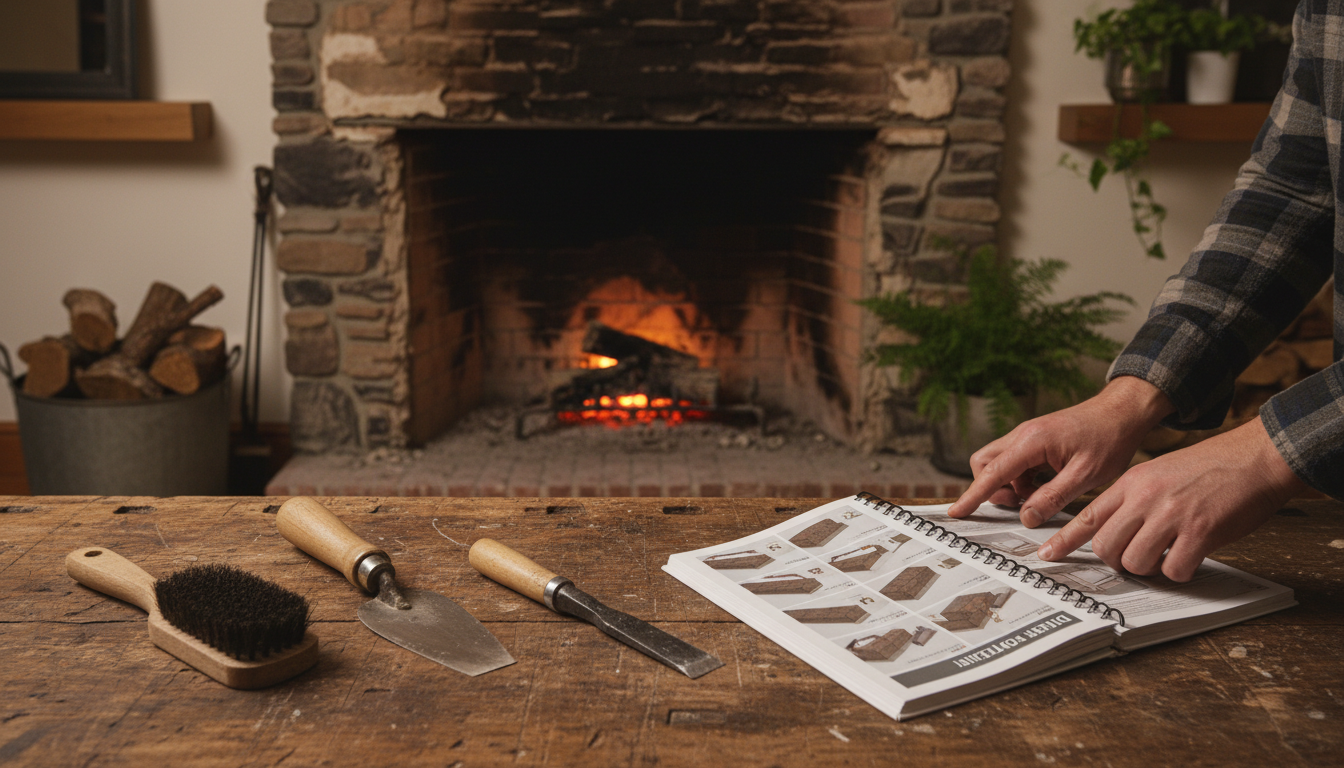
Welcome to your complete guide for restoring that special hearth in your living space. Whether you’ve discovered a non-working fireplace in your new house or want to revive a long-neglected family treasure, this friendly manual will help you bring warmth back to your home.
Our step-by-step approach covers everything from basic assessment to practical restoration techniques. You’ll learn how to handle common problems like damaged flues, missing dampers, and aging brickwork. We also include creative design ideas for when a full repair isn’t immediately possible.
This guide helps you understand when DIY projects are safe and when to call in professional help. You’ll gain the confidence to make smart decisions about your restoration project, whether dealing with a century-old chimney or a more recent installation.
By following these instructions, you’ll transform your hearth into a beautiful, functional centerpiece that adds both comfort and value to your living area. Let’s begin this rewarding journey together!
Introduction: Understanding Your Fireplace’s Condition
Understanding what you’re working with is key to developing an effective plan for bringing your fireplace back to life. This assessment helps you prioritize repairs and set realistic expectations for your project.
Signs of Wear and Structural Issues
Look for clear indicators that your hearth needs attention. Crumbling mortar between bricks and cracks in the firebox are common problems. Missing or damaged dampers also signal structural concerns.
You might notice a musty smell or debris falling into the opening. Water stains or animal nests in the chimney are serious red flags. These things require immediate evaluation before any restoration work begins.
Benefits of a Functioning Fireplace
A working fireplace offers more than just visual appeal. It provides supplemental heat that can lower energy costs during colder months. The cozy ambiance transforms any room into a welcoming gathering space.
Homebuyers consistently value functional fireplaces, making your property more attractive. Even if you choose decorative ideas over actual fire use, knowing the condition ensures safe design choices. This understanding guides your approach to bringing warmth back to your home.
Evaluating Fireplace Safety and Structure
A thorough structural assessment is your essential starting point for bringing any fireplace back to safe operation. This evaluation helps you understand what needs attention before you begin any work.
Inspection of Chimney, Damper, and Flues
Begin by checking the damper mechanism. Look for proper opening and closing action. Rust or warping can indicate problems.
Many older homes have fireplaces without dampers. This makes them inefficient and potentially unsafe. Always check what you’re working with.
Examine all flues carefully, especially in homes with multiple heating systems. Chimneys often contain separate flues for different purposes. Each needs proper lining and venting.
Look for deteriorating mortar and missing bricks. Cracks in the flue liner are serious concerns. Some century-old construction has no liner at all.
When to Consult a Professional
DIY inspections are a good first step. However, consulting a certified chimney professional is essential for safety. This is especially true for fireplaces unused for years.
Consider a family beach house example. The homeowner inherited a century-old property with a central chimney. The previous owner covered the fireplace without addressing underlying issues.
The fireplace had no damper and contained three flues. A professional recommended stainless steel lining and a wood insert. This specialized approach ensured safety.
Professionals use camera inspections to reveal hidden damage. They measure unusual flue dimensions and recommend specific solutions. Their expertise gives you peace of mind about your restoration project.
Tools and Materials for DIY Repair
Before diving into repairs, gathering your essential tools and materials sets you up for success. Having everything organized saves time and prevents frustrating mid-project hardware store runs.
Essential Tools Checklist
For masonry work on your brick fireplace, you’ll need specialized equipment. A cold chisel, hammer, and wire brush help remove old mortar. Use a pointing trowel and refractory mortar designed for high temperatures.
Wood trim around the mantel requires different supplies. Have sandpaper, wood filler, and matching stain or paint ready. Replacement trim pieces should match your home’s style.
Safety gear is absolutely essential. Heavy-duty gloves, safety glasses, and a respirator protect you from dust. Knee pads make hearth-level work more comfortable.
Don’t forget cleaning supplies and documentation tools. A shop vacuum with fine filters handles soot removal. Keep a flashlight and notebook for inspections and measurements.
Step-by-Step Guide to Fix Non-Working Fireplace
With your tools ready and safety checks complete, you can begin the practical work of reviving your hearth. This process involves careful preparation and methodical application of repair techniques.
Taking your time here ensures a safe, high-quality result that will last for years.
Preparing Your Workspace and Assessing Damage
Start by creating a safe and clean work area. Remove all furniture and rugs from around the fireplace, giving yourself plenty of room to move.
Lay down heavy canvas drop cloths to protect your floors. Seal off the space with plastic sheeting to contain dust. This simple step makes cleanup much easier.
Next, conduct a thorough assessment. Examine every part of the structure systematically.
- Test the damper to see if it opens and closes smoothly.
- Inspect the firebox for cracks or loose bricks.
- Check the hearth for any signs of instability.
- Use a bright flashlight to look up the chimney for visible damage.
This detailed inspection gives you a complete picture of what needs attention.
Detailed Repair Procedures and Techniques
For mortar joints, the process is called repointing. Carefully chip out the old, crumbly mortar to a depth of about ¾ inch.
Mix refractory mortar to a firm but workable consistency. Press it firmly into the cleaned joints using a pointing trowel.
If your fireplace has no damper, a top-sealing model is often the best way to add one. It installs at the top of the chimney, avoiding complex internal work.
For flues needing liners, precise measurement is critical. Follow the manufacturer’s guide for installing a flexible stainless steel liner.
Address any wood trim or mantel pieces with care. Repair or replace them using materials that match the original style. Allow all mortar and sealants to cure fully before a final professional inspection.
Creative Uses for an Unused Fireplace
When repairs aren’t in the immediate plans, your fireplace can still become a beautiful centerpiece. These creative ideas transform the space into a functional and stylish part of your room.
Decorative Log Displays and Candle Arrangements
Arranging logs is a classic approach. Stack them horizontally for a casual look or stand birch logs upright for vertical interest. A rustic basket filled with firewood bundles creates a charming, ready-for-use illusion.
Candle arrangements bring real warmth. Try candles shaped like logs for a clever touch. Filling the hearth with candles of varying heights mimics a flickering fire when lit.
Book Storage and Artistic Arrangements
Books offer smart storage solutions. Stack vintage books tightly inside the firebox for a library feel. Install cheerful shelves in a child’s room for storybook storage.
For an artistic statement, place a single significant book on the hearth. Flank it with tall bookcases for a witty, literary focal point.
Seasonal Décor Ideas from Real Projects
Keep your display fresh all year. A basket of greens can be swapped seasonally. Foliage arrangements add natural warmth. Create holiday-specific displays to make your fireplace the heart of seasonal celebrations.
These ideas ensure your architectural feature remains a cherished part of your home’s character.
Design Inspiration from Real Projects
Looking at real design projects gives you fresh ideas for making your fireplace a standout feature. These examples show how creative approaches can transform any hearth into a beautiful centerpiece.
Professional designers have used everything from natural materials to bold colors. Each project demonstrates how your fireplace can reflect your personal style.
Modern Minimalism Techniques
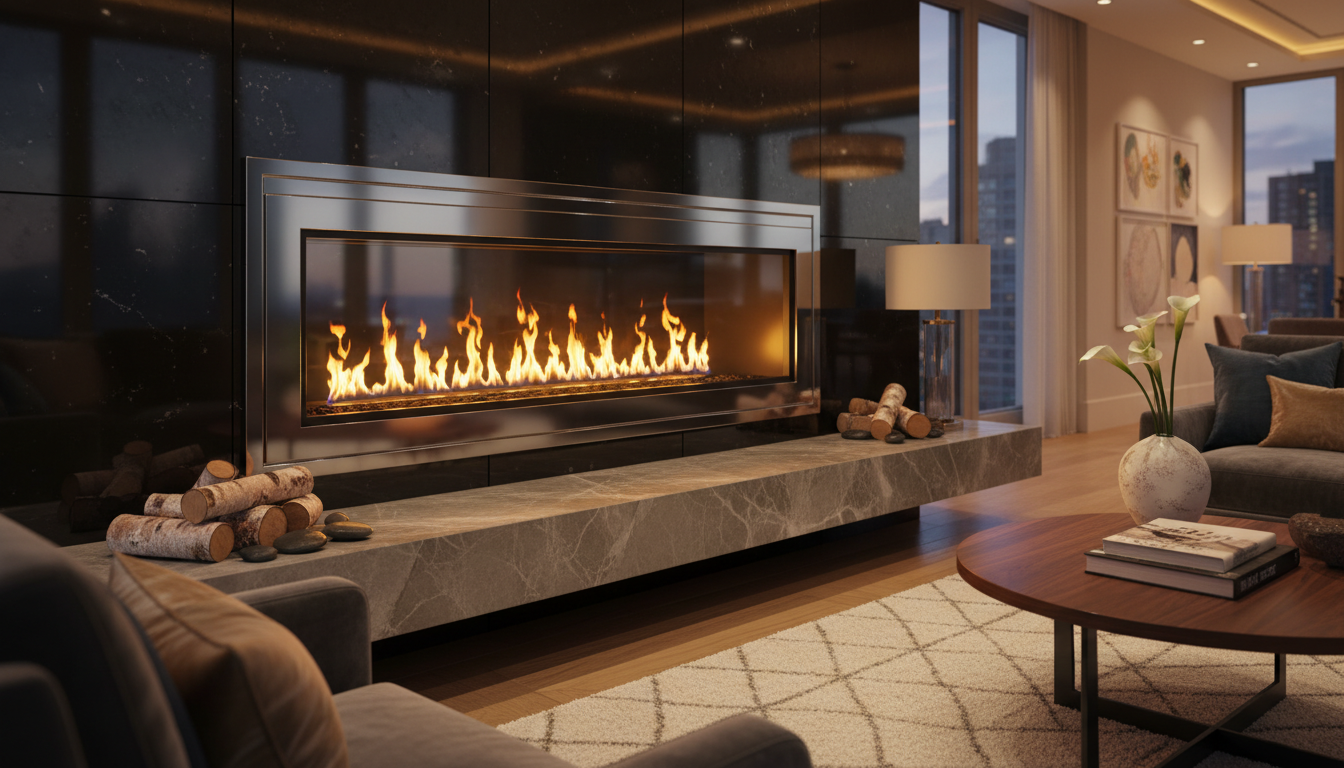
For a clean, contemporary look, consider minimalist approaches. Painting brick black creates depth while letting traditional materials blend with modern décor.
Designer Leanne Ford took this further by painting an entire fireplace white. This included the mantel, surround, and even decorative firewood. The monochromatic look feels fresh in light-filled spaces.
A suspended midcentury-style fireplace becomes both functional and an art piece. This approach works well in rooms with vaulted ceilings.
Traditional and Vintage Fireplace Styles
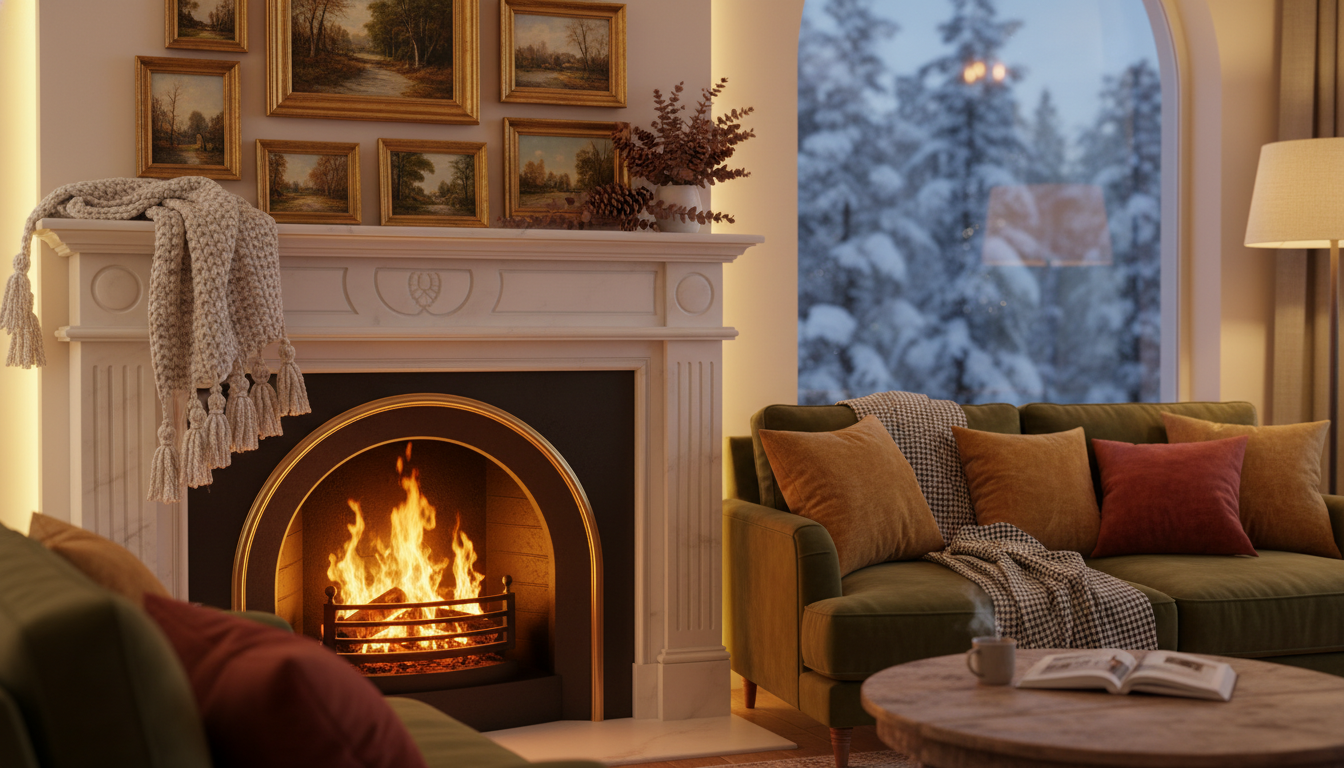
Traditional design maintains historical character while updating the look. Limewashing original stone lightens dark spaces without losing charm.
Salvaging an ornate mantel from iconic locations brings history and patina. The Waldorf-Astoria hotel mantel is one stunning example.
Tile treatments offer endless possibilities for personalization. Framing your fireplace in artisan ceramics creates a unique look. Asymmetric fluting in dramatic marble turns the piece into functional sculpture.
Creative use of found materials honors your home’s history. One designer used century-old trim discovered on-site. This created cohesion with the original architecture.
Practical Tips for Integrating Your Fireplace Into Home Design
Thoughtful integration of your architectural feature transforms it from a standalone element into the heart of your living space. This approach makes your entire room feel cohesive and inviting rather than having an awkward afterthought.
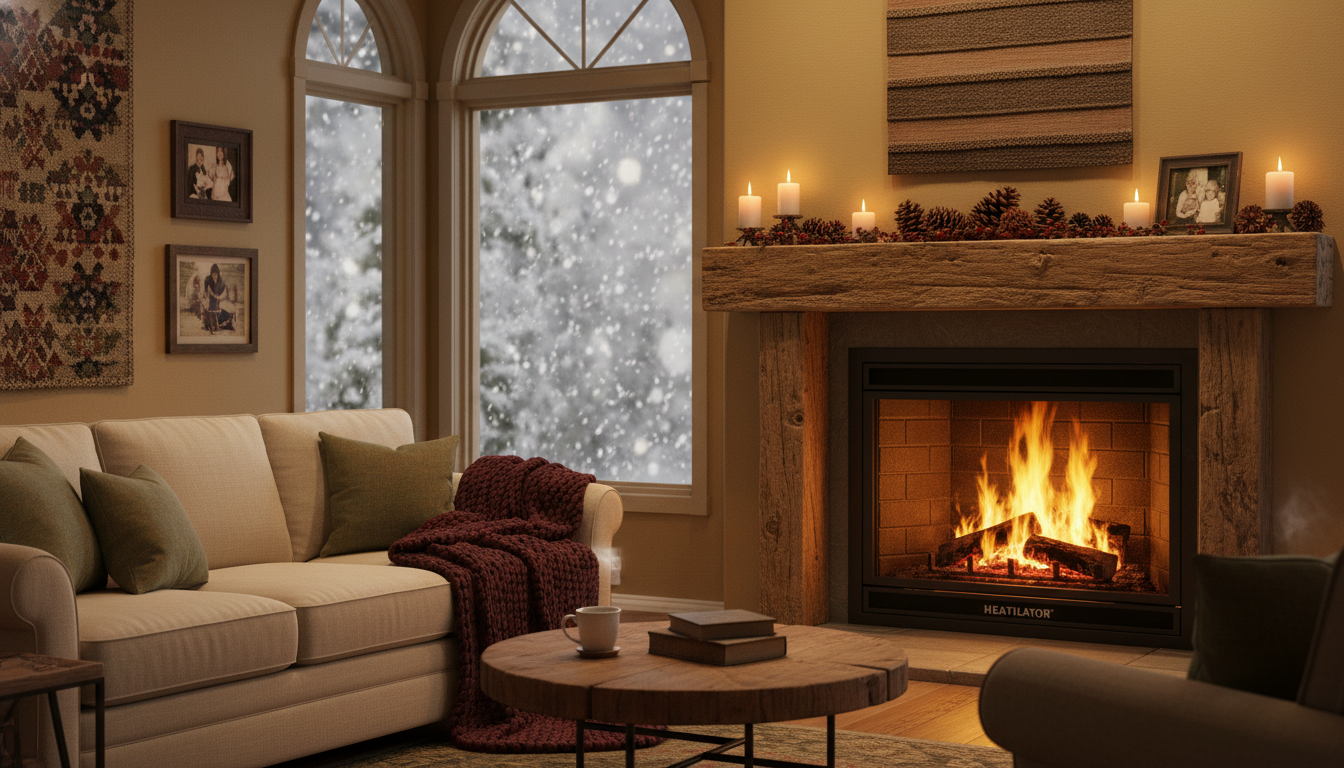
In open-concept homes where the living room flows into kitchen areas, your hearth treatment sets the tone for the entire space. Adding natural elements like seasonal foliage in decorative baskets brings warmth that balances modern finishes.
Enhancing Room Ambience with Functional Decor
Seasonal rotation keeps your living area feeling fresh throughout the year. Swap greenery and florals with changing seasons to match your room’s evolving décor. This simple update refreshes your entire space without major redesign.
For family homes, children’s rooms present unique opportunities. Painting the surround in cheerful colors creates a playful focal point. Filling the opening with well-chosen toys makes the feature grow with your child.
Consider the practical relationship between your hearth and surrounding furniture. Arrange seating to embrace it as a natural gathering spot. The visual weight still anchors your room layout beautifully.
In newly remodeled spaces, your treatment introduces warmth and character. This is especially important when dark fireboxes might create visual heaviness. Balance cool tones with wood elements or earth-toned décor.
Think beyond just the firebox itself. The hearth, mantel, and surrounding wall space all contribute to integration. Treat the entire area as a unified design element for your home.
Post-Repair Maintenance and Safety Precautions
Proper upkeep ensures your fireplace remains a safe and beautiful centerpiece for years. Regular care protects both your investment and your household’s safety.
Establishing good maintenance habits now will keep your hearth functioning beautifully. This approach honors the original craftsmanship while ensuring modern safety standards.
Regular Inspection and Cleaning Tips
Schedule annual professional inspections before each burning season. Certified chimney sweeps can identify creosote buildup and detect new cracks in brick or liner materials.
Between professional visits, conduct monthly visual checks. Look for new cracks in the firebox brick and ensure the damper operates smoothly. Inspect the hearth for settling and examine the mantel for heat damage.
Clean your fireplace regularly to prevent dangerous creosote accumulation. Remove ashes when they build up beyond an inch, but leave a thin layer as insulation. Vacuum the surrounding area to prevent tracked soot.
Upkeep Strategies for Long-Term Safety
Maintain the essential things that make your fireplace safe. Keep the damper mechanism lubricated with high-temperature lubricant. Replace damaged fire screens immediately.
For those who respect original materials, regular maintenance preserves authentic character. One homeowner noted they “hate people who paint brick,” emphasizing the value of maintaining original features.
Even if you rarely build actual fires, maintaining functionality preserves your options. Don’t seal a potentially functional fireplace just to make it a candle holder. Proper care keeps it truly functional for future generations.
Document your maintenance activities with photos and notes. This creates valuable history for troubleshooting or when passing your home to new owners.
Conclusion
Your fireplace project represents more than just home improvement—it’s about creating lasting memories. Whether you restored functionality or explored creative ideas, you’ve transformed an architectural feature into a beloved centerpiece.
Remember that fireplaces serve generations. The way you use yours today can evolve with your family‘s needs. The key point is that things don’t need to be perfect immediately.
Your home gains warmth and character from this renewed space. Whether it’s the crackle of actual fireplaces or artistic displays, your living room now has a focal point that reflects your personal style. These things create a look and feel uniquely yours, adding both comfort and value to your household.

0 Comments