
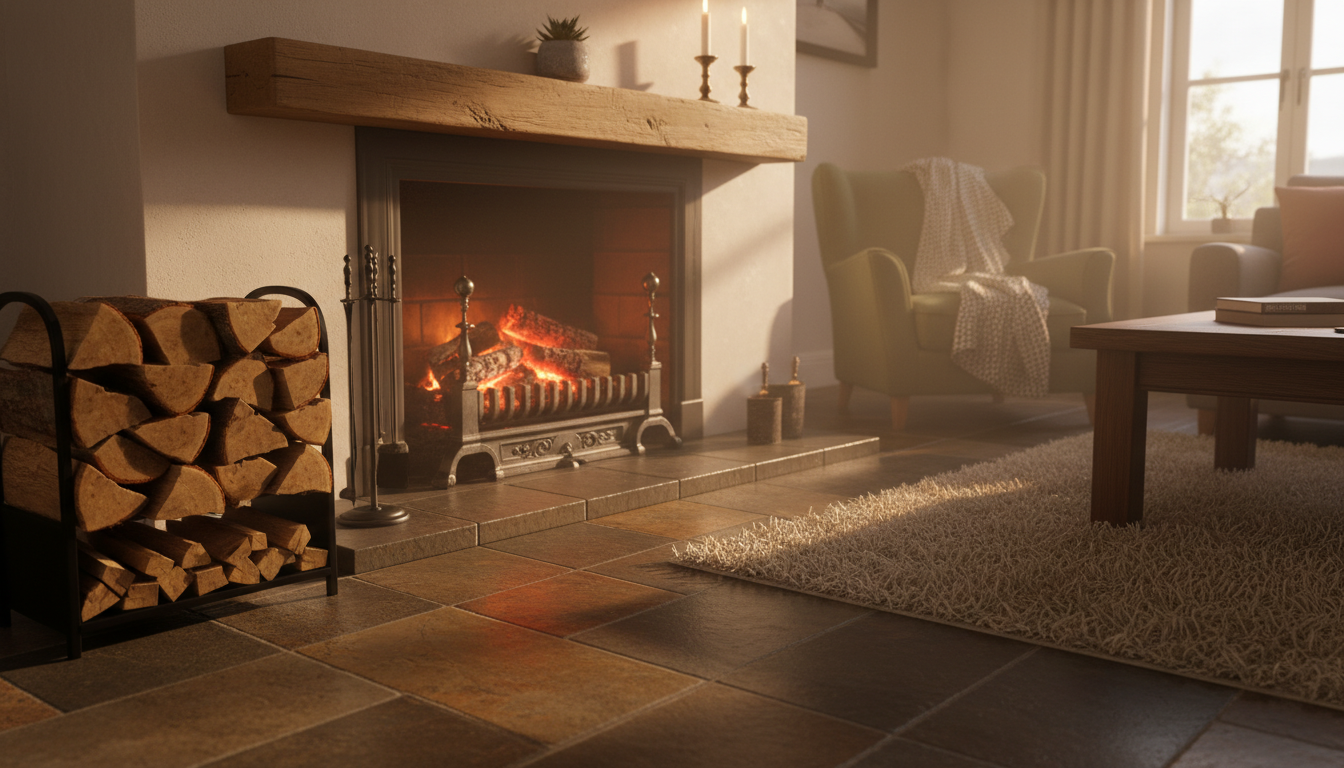
Welcome to your complete guide on maintaining a beautiful and safe hearth. A well-kept fireplace is the heart of a cozy home, especially on chilly evenings. It creates a warm atmosphere that families love.
Regular upkeep is not just about looks. It is critical for preventing dangerous situations. Buildup of substances like soot and creosote in your wood-burning unit can become a serious fire hazard if ignored.
Why does this maintenance matter so much? It protects your family from potential chimney fires. It also reduces smoke problems inside your house. Proper care ensures your hearth heats your home efficiently all season long.
According to the Chimney Safety Institute of America, you should address soot accumulation at about 1/8-inch. This makes inspection a key part of safe operation.
This friendly guide will walk you through the entire process. We cover everything from gathering supplies to deep cleaning methods. Our goal is to make this task feel manageable, not overwhelming, for every homeowner.
You will learn which jobs are perfect for a DIY approach. We will also explain when it’s best to call a professional for a chimney sweep. This knowledge is vital for your complete home safety.
Remember, a sparkling hearth does more than prevent fires. It also improves your home’s air quality by limiting soot particles from circulating.
Tools and Materials for a Sparkling Fireplace
Proper preparation begins with gathering the essential supplies needed for a thorough maintenance session. Having the right equipment on hand transforms this important home care activity from a chore into a manageable project.
Essential Tools for Cleaning
Start with a sturdy nylon brush designed specifically for hearth surfaces. This tool effectively removes stubborn buildup without damaging brick or other materials. A dedicated fireplace shovel is equally important for safely removing ash and debris from the firebox area.
These specialized tools make the entire process more efficient than using regular household items. They’re designed to handle the unique challenges of hearth maintenance.
Recommended Materials and Protective Gear
Safety should always come first during this task. Rubber gloves protect your hands from harsh cleaning products and accumulated grime. A quality dust mask prevents inhalation of fine particles that become airborne.
Consider knee pads for comfort during extended sessions, especially when working on lower sections. Drop cloths are essential for protecting floors and furniture in the surrounding area from escaping soot.
For finishing touches, keep microfiber cloths and paper towels handy. If your setup includes metal components like andirons or grates, having metal polish available helps restore their original shine after the main work is complete.
Gather all your tools and materials before starting to ensure a smooth, uninterrupted workflow. This simple step prevents frustrating mid-task interruptions and makes the entire experience more enjoyable.
Safety Precautions and Pre-Cleaning Preparation
Before diving into the actual cleaning process, establishing proper safety measures is absolutely essential. This preparation phase ensures your entire experience remains safe and efficient from start to finish.
Always wait at least 12 hours after your last fire before beginning any work. This cooling period prevents burns from hot ashes or heated components. Make sure everything feels cool to the touch.
Wearing the Right Protective Clothing
Choose old clothes that you don’t mind getting dirty. Fine soot particles can easily stain fabrics. Rubber gloves protect your hands from grime and cleaning products.
Wear a quality dust mask to avoid breathing in fine debris. Consider covering your hair with a bandana or old hat. This keeps ash out during your cleaning time.
Setting Up Drop Cloths and Work Areas
Start by protecting your room’s furniture and flooring. Place drop cloths over nearby pieces to prevent soot damage. Roll up area rugs to keep them clean.
Position a large cloth or old sheet at the base of the hearth. This creates a comfortable kneeling area for your work. Keep a waste bin nearby for easy debris disposal.
Open windows for ventilation if weather permits. Good air circulation helps disperse dust particles. Just be mindful of wind that might blow debris around your cleaning area.
Step-by-Step Guide to Cleaning Your Fireplace
The moment has arrived to transform your well-used hearth into a pristine focal point through careful, step-by-step attention. This systematic approach ensures thorough results while keeping the mess contained.
Removing Ash, Soot, and Debris
Begin by clearing out all remaining firewood from the interior. Use your dedicated shovel to remove piles of ash and debris. Dispose of everything in an outdoor trash receptacle.
Line the bottom with newspaper before starting wall work. This smart step catches falling soot during scrubbing. It makes final cleanup much simpler.
Start at the top of the walls and work downward with your nylon brush. This method prevents clean areas from getting re-soiled. For fine particles, a vacuum with proper filtration works well.
Always verify ashes are completely cold before vacuuming. Do a final sweep with broom and dustpan. Bundle the newspaper with collected soot for easy disposal.
Handling Andirons, Grates, and Firewood
Carefully remove all andirons and grates from the interior. This is inherently messy work best done methodically. Place components inside large garbage bags for transport outside.
This containment method prevents tracking debris through your home. Once outside, scrub metal pieces with a stiff nylon brush. Remove all soot buildup thoroughly.
Rinse components with water and wipe completely dry. If desired, apply metal polish for extra shine. This restores their original luster before returning them to the clean fireplace.
Deep Cleaning Techniques for Fireplace and Chimney
For truly thorough results, advanced techniques target the persistent stains that regular upkeep misses. This deep approach goes beyond basic ash removal to tackle stubborn soot buildup accumulated from regular wood-burning fireplace use.
DIY Cleaning Solutions vs. Commercial Cleaners
You have two main options for tackling tough grime. Create a powerful DIY solution by mixing 6 tablespoons of TSP, 1 cup of bleach, and 1 gallon of warm water in a plastic bucket. Alternatively, commercial cleaners offer convenience with formulas designed specifically for this task.
Always wear rubber gloves and ensure proper ventilation when using these products. Never mix bleach with ammonia, as this creates dangerous toxic fumes.
For gentler approaches, try cream of tartar paste for small areas or a dish soap and baking soda mixture for larger surfaces. These eco-friendly methods effectively lift stains without harsh chemicals.
Scrubbing Brick, Firebox, and Vents
After removing all debris, dip your nylon brush into your chosen solution. Scrub the walls and floor using firm, circular motions to break down years of buildup. Work systematically from top to bottom.
Once thoroughly scrubbed, rinse all surfaces with clean warm water. Use a towel to dry the area completely, preventing water stains. Finish with a vacuum using a brush attachment to capture any remaining loose particles.
Remember that older units may have permanent stains that won’t completely disappear. This is normal and doesn’t indicate failure in your cleaning method.
Cleaning Glass Fireplace Doors: DIY Tips and Methods
Those beautiful glass doors on your hearth deserve special attention to keep them sparkling. Heavy soot buildup can obscure your fire view, making regular maintenance essential for enjoying those cozy flames.
For easiest results, remove the doors if possible. Working on a flat surface prevents awkward angles and makes the process much simpler.
Vinegar and Ammonia Cleaning Method
Create an effective DIY solution using common household items. Combine one cup of distilled vinegar with three cups of warm water. Add one tablespoon of ammonia to a clean spray bottle.
Spray the mixture generously on the glass surface. Let it sit for 30-60 seconds to break down stubborn residue. Use a microfiber cloth to scrub in circular motions.
Apply moderate pressure to avoid damaging the glass while still effectively removing buildup. Repeat the spraying process until all traces disappear.
Using Ash for a Streak-Free Finish
Here’s a surprising zero-cost approach using materials you already have. Dip damp paper towels into cold ashes from your hearth’s bottom.
Gently scour the glass using circular motions. The fine abrasive particles lift soot without scratching the surface. You may need several passes for complete results.
Finish either method with regular glass cleaner and fresh paper towels. This final polish ensures crystal-clear, streak-free doors.
Always check manufacturer’s instructions before beginning. Some specialized glass coatings require specific care methods to maintain warranties.
Maintaining Your Fireplace Year-Round
Consistent upkeep is the secret to enjoying your hearth safely for many winters to come. A smart schedule prevents problems before they start.
Experts suggest tidying up after every use. If that’s not possible, follow the 1/8-inch rule from the Chimney Safety Institute. Clean when soot reaches that thickness.
Regular Cleaning Frequency and Seasonal Care
Your schedule depends on how often you light a fire. Frequent winter use might mean weekly attention. Occasional users can plan for a monthly session.
An annual inspection by a certified pro is non-negotiable. This checkup finds hidden issues early. New wood-burning units need a mid-season check in their first year.
Remove ashes regularly to keep the area tidy. Always use well-seasoned wood. Gather it a year ahead for best results.
Try the top-down method for a cleaner burn. Place large logs at the bottom. Add smaller logs, then kindling on top. Light from the top down.
Before you start a fire, make sure the damper is fully open. Only burn dry, seasoned wood or CSIA-approved logs. Good fuel creates hot, clean fires with less dangerous buildup.
Fireplace Cleaning: Expert Best Practices
Expert knowledge elevates routine maintenance from simple chore to essential home protection strategy. A sobering 2022 National Fire Protection Association report identified failure to address chimney needs as a leading cause of home property damage.
Understanding what tasks require professional attention is crucial. Heavy-duty chimney work should always involve certified experts. DIY attempts can create major messes or cause injuries.
Common Mistakes to Avoid
Never mix bleach with ammonia during your cleaning routine. This combination creates dangerous toxic fumes. Also avoid burning pressure-treated or painted wood, which releases harmful chemicals.
Many homeowners forget the final vacuum step. Fine dust and ash particles escape even the best containment efforts. Thoroughly vacuum furniture, floors, and hearth areas after completing the main work.
Address stains promptly before they set permanently. Remove andirons before starting your session. Lining the firebox bottom with paper makes cleanup easier.
Additional Tips from Professionals
Hire CSIA-certified chimney sweeps and verify their certification is active. Typical inspection costs range from $100 to $250. Full cleanings usually cost between $100 and $350 depending on complications.
Request references and warranty guarantees from professionals. Ask for proof of insurance coverage of at least $300,000. Verify the policy is current before work begins.
Watch for warning signs that your chimney needs immediate attention. These include smoke filling the room, blackened dampers, and difficulty keeping fires burning. A persistent campfire smell also indicates creosote buildup.
Creosote accumulates from incomplete combustion in wood-burning fireplaces. This flammable material can ignite into dangerous chimney fires if not regularly removed. The most cost-effective way to maintain your system combines annual professional inspections with regular DIY care between visits.
Make sure smoke and carbon monoxide detectors near your hearth function properly. This provides additional safety beyond regular maintenance. Following these professional instructions ensures your family enjoys warmth safely for years to come.
Conclusion
Regular attention to your home’s heating feature ensures both safety and enjoyment throughout the colder months. You now have complete knowledge to handle this important task with confidence.
Establishing a consistent routine prevents dangerous buildup and makes each session quicker. A well-maintained area reduces dust and smoke issues while protecting your furniture.
View this maintenance as an investment in your family’s comfort. Start with your next chimney inspection and enjoy the benefits of a cleaner, safer home environment for years to come.


0 Comments